Home
+

Published : 15 Jan 2026, 10:04 AM
Bangladesh faces a critical challenge in preparing for the fourth industrial revolution, experts say, with the rapid spread of artificial intelligence (AI) globally.
While the need to adopt AI quickly is clear, analysts warn that creating a robust framework is the “most urgent” task.
Specialists say no technological transition will be sustainable without strong data governance laws, regular AI audits, and a clearly defined ethical framework.
To understand how artificial intelligence is being applied on the ground, particularly in Bangladesh’s ready-made garment sector, industry leaders point to the experience of large manufacturing groups.
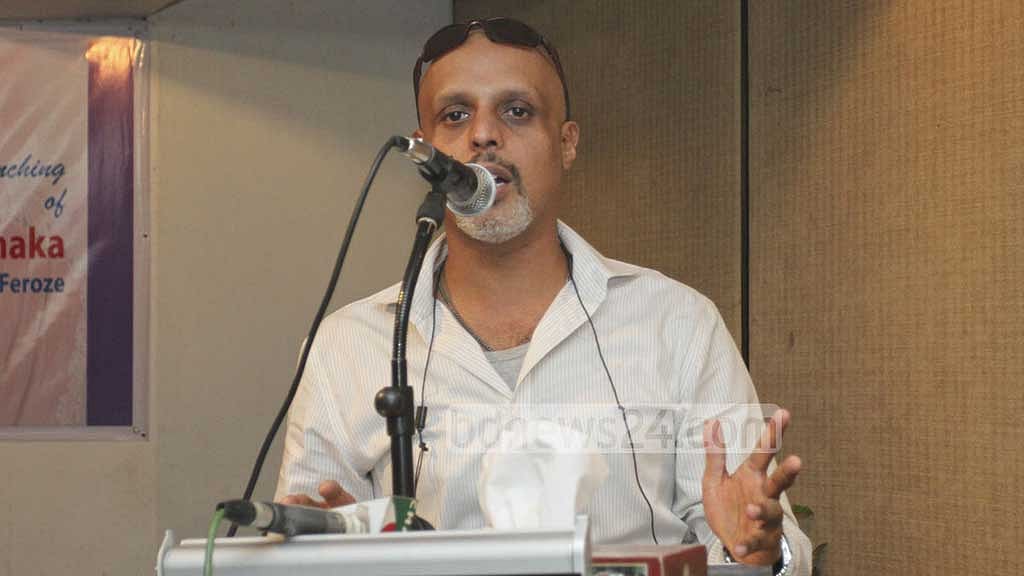
Shams Mahmud, a director of the Bangladesh EPZ Investors Association and managing director of Shasha Denims Limited, said AI adoption at his factories had not presented major obstacles.
He said the company is currently working with the Asian Development Bank’s BIRDI programme, under which two projects have been submitted through joint participation by universities, higher education institutions, industry and financial organisations.
He added that some AI applications had already been implemented earlier.
According to Shams, the main challenge lies in selecting the right product application.
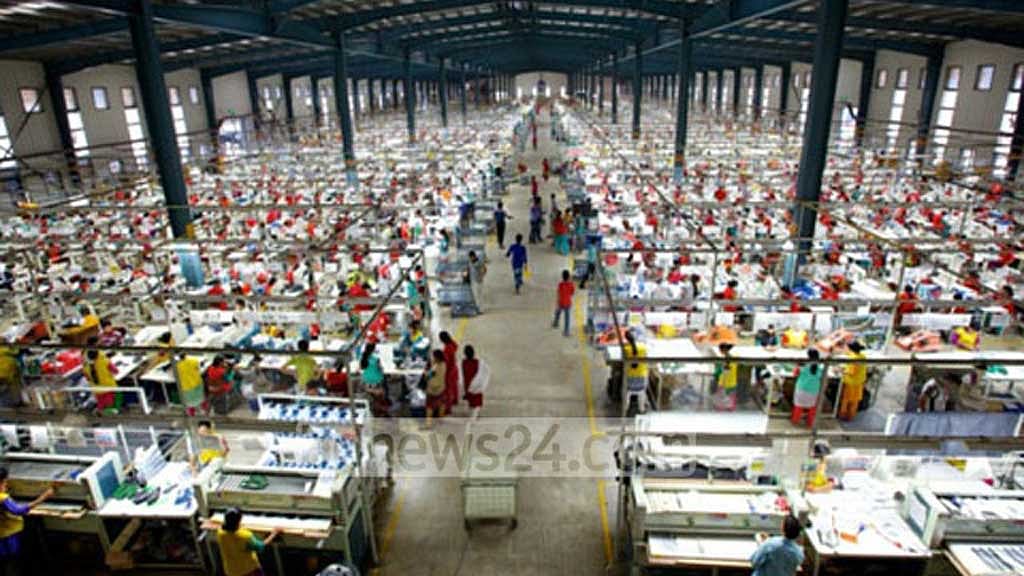
“There are many replicated or similar solutions in the market. The real task is to determine which ones are actually suitable for factory operations,” he said.
All machines at Shasha Denims are now connected through the Internet of Things and operate in a fully automated system. Through online monitoring, both factory management and machine manufacturers are able to oversee production processes, allowing faults to be detected and addressed remotely in the event of a breakdown.
Shams said costs could be significantly reduced if specific functional components could be developed locally using AI-based, internet-connected sensors and IoT software.
He, however, noted that a key barrier remains authorisation to access the internal computer systems of machines, which is often difficult to obtain.
On the capacity of universities and higher education institutions, he rejected the common perception that academia is weak.
“I do not agree that our academia is weak. The core problem lies in the mindset of industry owners. We often assume that locally developed technology is inferior,” he said.
He said Shasha Denims works regularly with BUET, BUTEX, Ahsanullah University and BUFT to connect students with industry through internships, certification programmes and joint initiatives.
According to him, financing remains the biggest barrier to turning innovative ideas from local talent into practical solutions.
He added that the recent expansion of ADB activities in Bangladesh has created new opportunities in this area.

PRESSURE HIGHER ON SMES
Shams said the adoption of artificial intelligence is comparatively more difficult for small and medium-sized enterprises.
“Even small investments become working capital for SMEs. While smaller firms may be more adaptable in theory, installing AI systems, ensuring data backup, maintenance and skilled technical staff is costly for them,” he said.
He added that AI alone is not sufficient.
“In small operations, AI can help organise processes, but AI-based solutions often become more expensive than developing inventory management systems or proprietary ERP platforms,” he said.
As business costs rise, he described automation and artificial intelligence as “unavoidable”.
He, however, said such technologies often create fears of job losses among workers.
Shams also noted that AI brings transparency to processes, which in some cases is viewed as a threat.
POLICY, INFRASTRUCTURE GAPS
Emphasising the government’s role, Shams said state involvement is essential for AI adoption.
“To understand industry through large-scale data analysis, policy frameworks are needed for data management, security and use.”
He added that internet connectivity remains expensive for industry and data storage costs are also high. Without infrastructure development, building a future-ready manufacturing sector would not be possible.
He said such measures would also make AI and automation more accessible for SMEs.
EDUCATION, RESEARCH, POLICY ARE KEY
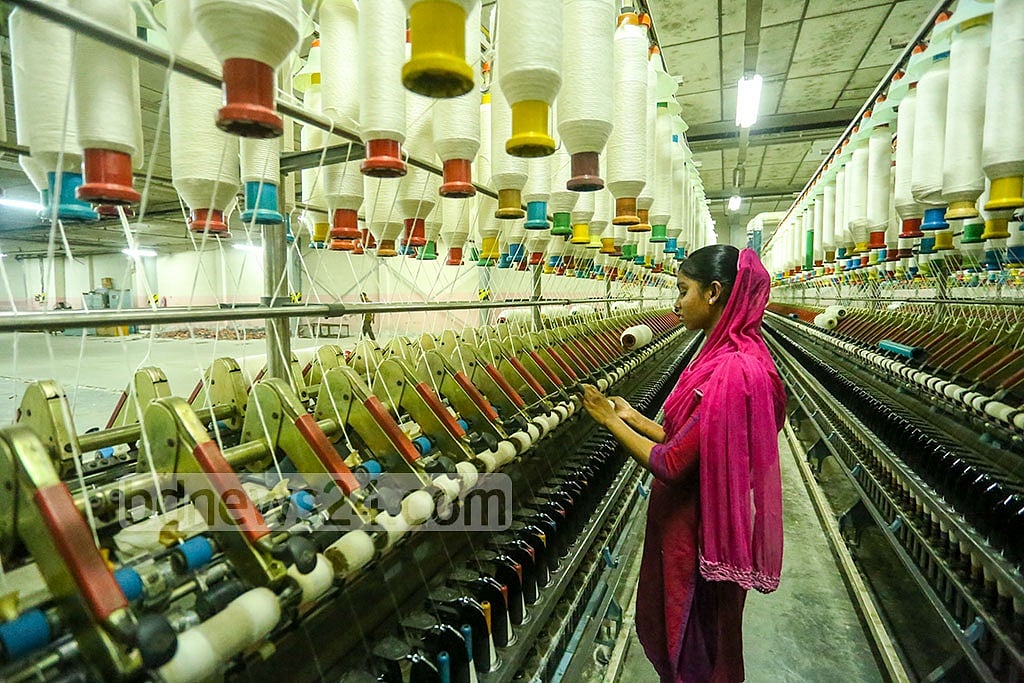
The skills gap emerging in garment factories has deeper roots in education, research and policy readiness.
While AI adoption in industry is accelerating, the framework for developing AI-skilled human resources continues to lag, limiting the country’s ability to translate potential into capacity.
Shubhra Pal, a PhD candidate at Dalhousie University in Canada, is researching autonomous systems and edge intelligence. He previously worked as a lead AI developer at two Bangladesh-based startups, Markopolo AI and Zantrik Ltd.
He said effective partnerships between universities and industry have yet to take shape in the country.
“The biggest constraint for researchers is access to local data. For industry, the constraints are time and research manpower.”
As a solution, he suggested that banks or telecom companies provide anonymised, non-sensitive data along with defined problem statements to universities, allowing students to develop solutions through theses or projects.
“This would give companies cost-effective research outcomes while students gain exposure to real-world problems. AI or deep tech cannot be learned through three-month internships,” he said.
Referring to practices in developed countries, Shubhra proposed adopting cooperative education models, where students work in industry for six months or a year during their studies.
“This would allow companies to recruit production-ready employees, while students gain practical skills rather than theoretical knowledge,” he said.

POLICY SHIFTS NEEDED
Experts have also called for policy changes to bring industry into academic research.
Prof BM Mainul Hossain, director of the Institute of Information Technology at Dhaka University, said many public and private universities now offer AI-related courses, particularly in computer science, software engineering and IT departments, with some institutions running master’s and certificate programmes.
He, however, said current curricula do not fully align with industry demand. “Lab-based exercises alone are not enough. Students must work with real problems and real data.”
Prof Mainul described inadequate infrastructure as another major limitation, noting that most universities lack the high-performance GPUs, cloud computing and related resources required for practical AI work.
He said universities and industry must collaborate to build a culture focused on solving real-world problems, while ensuring access to the computing resources needed to fully utilise AI technologies.
FIELD-LEVEL REALITIES
Shubho Al-Farooq founder and CEO of Zantrik Limited, said rapid changes in vehicle models, fuels and technology are leaving many technicians behind. To overcome skill gaps, they developed an AI-based system that analyses maintenance history, assessments, sound and video data to guide technicians. Even less skilled workers can now operate efficiently.
He said skilled workforce shortages exist across sectors but are not severe. Continuous training and workforce development can address the challenge.
AI USE RISING WITHOUT DIRECTION
Kaisul Khan, a researcher at Nova School of Business and Economics in Portugal, said the use of AI tools among students and teachers in Bangladesh is rising rapidly.
“Tools such as ChatGPT, Perplexity and Copilot have become part of everyday work,” he said.
He, however, said this use remains largely unregulated.
“There is still no national AI law in Bangladesh defining where AI use is acceptable and where it is not. In Europe or the United States, such frameworks provide clear boundaries.”
According him, a national AI law is essential, adding that properly guided AI use could help reduce educational disparities between rural and urban students.
He called for coordinated action by the education and science ministries.
RISKS STRUCTURAL: UNESCO
UNESCO assessments show challenges facing AI adoption in Bangladesh are structural rather than isolated.
The national AI policy remains at draft stage, leaving implementation responsibilities and accountability unclear. The absence of independent data protection and cyber security authorities further weakens governance.
Data infrastructure also remains limited. Weak open data frameworks, unclear classification of sensitive data and shortages of high-quality Bangla datasets are hindering domestic AI model development.
Additional challenges include high internet costs, power disruptions in rural areas and limited data centre and cloud capacity. A lack of coordinated skills development strategies within education and workforce systems remains evident.
GOVT RESPONSE
Responding to UNESCO’s assessment, Faiz Ahmad Taiyeb, the chief advisor’s special assistant on information technology, said the interim government is moving towards a coordinated framework rather than fragmented initiatives.
He said work is under way to formulate a comprehensive national AI policy under the digital transformation strategy, prioritising responsible use, transparency, and accountability.
Steps are also being taken to establish a national data management authority and enforce the personal data protection law to ensure citizen control over data, he added.
Training and apprenticeship roadmaps are being developed with industry–university collaboration for sectors including banking, garments, telecoms, and SMEs.
He said AI would not replace human decision-making but improve efficiency and accountability across institutions.
WAY FORWARD
Experts say the most urgent priority is the creation of a shared structural standard for AI skills, jointly defined by government, industry and universities.
They have called for public-private partnerships to establish AI centres of excellence, applied AI labs and research incentives.
Without strong data governance laws, regular AI audits and clear ethical frameworks, they warn that transformation will not be sustainable.
They say delays in policy action risk pushing future job creation, platforms and ecosystems beyond Bangladesh’s borders.
Just as the garment industry once became the backbone of the economy, analysts say AI-skilled human capital could shape the next phase of growth.
They warn that Bangladesh stands to benefit if it acts decisively, but risks becoming a passive observer in the AI revolution if it fails to do so in time.