


Bangladesh has begun the new year against a backdrop of political and economic uncertainty, driven largely by the fallout from the previous regime’s misrule, heightened tensions over the much-talked-about general election scheduled for next month, alongside diplomatic concerns involving countries in the region and beyond.
Economists and political analysts say the situation is unlikely to stabilise without a smooth transition of power to an elected government through free and fair elections scheduled for February 12.
Such a transition was pledged by the interim government led by Nobel laureate Professor Muhammad Yunus, who assumed office following the fall of Prime Minister Sheikh Hasina, ending one and a half decades of her misrule that had a devastating impact on the country’s economy and in other sectors.
Hasina fled to India on 5 August 2024 amid a mass uprising against the Awami League regime and has remained there with Indian government support, contributing to strains in diplomatic relations between the two neighbouring countries.
They also said the slowdown in poverty reduction revealed in 2025 is expected to emerge as one of the most pressing economic challenges in 2026, alongside long-standing issues such as inflation, unemployment, sluggish growth and lower-than-expected revenue collection.
Greater alignment between macroeconomic management and fiscal policy is required. At the same time, reforms in the banking sector need to be strengthened to restore confidence in both banks and non-bank financial institutions.
The energy sector, now in a critical state due to financial mismanagement and one-sided contractual arrangements over the past one and a half decades, must receive priority in 2026 to meet rising gas demand, according to the economists.
Significant improvements in logistics are also needed to ensure smooth export and import operations, as the country’s future economic prospects largely depend on the efficient, congestion-free functioning of its ports.
Besides, optimism is running high among the public about the prospect of a free and fair election, which is seen as crucial for establishing political stability and sustaining the country’s economic recovery. This is also important as Bangladesh is set to graduate from the Least Developed Country (LDC) status by the end of this year.
Economists have stated that the current year will mark two significant transitions: the political transition towards democracy and the country’s graduation from the LDC bloc.
Both transitions must be navigated against the backdrop of ongoing economic challenges, including slowing GDP growth, rising unemployment, increasing income inequality, chronic revenue shortfalls, elevated inflation, and an underperforming banking sector.
However, many also recognise the potential for instability if the elections fail to gain widespread acceptance, both domestically and internationally.
Ordinary citizens are closely monitoring developments to understand what kind of political government will take power, particularly amidst rising tensions at both regional and global levels, according to Dr. S M Ali Reza, Professor of Political Science at Dhaka University.
According to Professor S M Ali Reza, enthusiasm among the public was higher during the democratic transition of 1990, due to a broader consensus among political parties following the ousting of military dictator Hussain Muhammad Ershad, who had ruled the country for nearly nine years after seizing power in a bloodless coup.
He noted that a similar kind of consensus emerged in the wake of the July uprising, which abruptly ended the 15-year rule of the Awami League. However, he warned that the bans on the AL and its affiliated organisations and several other issues have heightened political polarisation.
Political observers suggest that it would not be surprising if the leading parties and their allies opt for a national government in the coming years, working together to strengthen party politics and ensure stability at the national level.
While it is natural for the nation to expect a new political government as the interim government assumed power on 8 August 2024, three days after Sheikh Hasina’s ouster, Dr. Reza stressed that the top priority of the current government, led by Nobel Peace Prize laureate Professor Muhammad Yunus, is to create the right conditions for holding free and fair national elections.
In this context, the upcoming national election should be seen as part of the regime change initiated by the mass uprising.
However, the interim government has faced criticism for its failure to maintain law and order, particularly in handling mob violence, attacks on shrines, and assaults on bauls and minorities. These issues have undermined its credibility, despite efforts to address the economic challenges inherited from the previous regime.
According to data from the rights organisation Ain O Salish Kendra, mob violence was a significant issue in the past year, with at least 192 people killed in mob beatings between 1 January and 23 December 2024, compared to 128 in the same period in 2023.
Dr. Fahmida Khatun, executive director of the Centre for Policy Dialogue (CPD), noted that pre-election violence is not uncommon in Bangladesh. However, she emphasised that the current situation is unique, pointing to the killing of Inquilab Mancha convener Sharif Osman Hadi last month, as well as the torching of The Daily Star and Prothom Alo, two leading local dailies, in the same period.
Hadi’s killing has further heightened political uncertainty and sparked new diplomatic tensions between Bangladesh and India, already strained since Delhi’s sheltering of ousted Prime Minister Sheikh Hasina.
On 25 December, Bangladesh Nationalist Party (BNP) acting chairman Tarique Rahman returned to Bangladesh after 17 years in exile in London, calling for peace and stability ahead of the national election.
However, on 30 December, the BNP lost its chairperson, former Prime Minister Khaleda Zia, who died in a city hospital after battling multiple health complications.
India’s External Affairs Minister S. Jaishankar and Pakistan’s National Assembly Speaker Sardar Ayaz Sadiq were among the foreign dignitaries who paid their respects to Khaleda Zia. Jaishankar also handed over a condolence message from Indian Prime Minister Narendra Modi to Tarique Rahman, Khaleda’s elder son.
Political observers saw this as a positive gesture from Delhi to ease tensions between the two countries.
But less than a week later, tensions resurfaced when Bangladesh fast bowler Mustafizur Rahman was snubbed by the Kolkata Knight Riders for the upcoming Indian Premier League (IPL), allegedly due to the Indian Cricket Board’s decision.
In response, Bangladesh’s Ministry of Information and Broadcasting ordered television channels to cease broadcasting the IPL.
Amid these tensions, many remain uncertain about the shape of the government to be elected in February.
Dr. KM Mahiuddin, a professor of Government and Politics at Jahangirnagar University, pointed out that the public is unsure whether the new government will be led by a coalition or a single party.
.jpg)
A distant possibility — that the next government will merely be the result of a pre-arranged deal between local and international players — has not been completely dismissed by political observers.
In that case, the upcoming election would be nothing more than an eyewash, added Dr. KM Mahiuddin.
Aside from this remote possibility, the public is eager to exercise their voting rights for the first time since 2009. As everyone knows, the previous Awami League (AL) regime extended its autocratic rule by intimidating political rivals and organising lopsided, fraudulent elections in 2014, 2018, and 2024, with the help of a controversial Election Commission.
Senior economist, M. Masrur Reaz, chairman of Policy Exchange Bangladesh, stated that streamlining the macroeconomy is a major challenge, alongside rejuvenating private investment in micro and cottage industries to stimulate domestic demand.
Restoring discipline in the economic sector, particularly in banking and non-banking financial institutions, is a pressing issue. Without this, the declining trust in banks by depositors will persist.
Tensions in the financial sector, particularly in banking, have eased somewhat over the past year, but vulnerabilities remain, he said.
Bangladesh Bank data show that non-performing loans across the sector reached Tk 6.44 lakh crore in September, accounting for 35.73 per cent of total outstanding credit — one of the highest ratios globally.
By September 2025, the top 10 banks held Tk 4.45 lakh crore in defaulted loans, representing nearly 70 per cent of the country’s total non-performing loans, highlighting how Bangladesh’s banking crisis has become concentrated in a small number of banks.
Noted economist Fahmida Khatun, CPD executive director, noted that the external sector had improved, with higher exports, imports, and remittances in the 2024-25 financial year compared to 2023-24.
Foreign exchange reserves have been recovering from a prolonged decline and now stand at $27.88 billion as of 18 December 2025, up from $19.95 billion on 18 December 2024.
However, the economy has yet to recover from low growth, high inflation, and subdued investment, the CPD executive director added.
The country’s economic growth remained weak at around 3.4 per cent, while private sector credit growth was just 6.23 per cent in October, the lowest level in more than two decades.
Inflation remains elevated above 8 per cent, driven primarily by persistent food and rice price pressures.
Refocusing on law and order, the CPD executive director stated that while the country has been widely recognised for its economic resilience and development achievements, images of mob violence and uncertainty over governance have raised concerns among international partners and investors.
In an interconnected world, political stability is inseparable from economic credibility, the CPD executive director added.
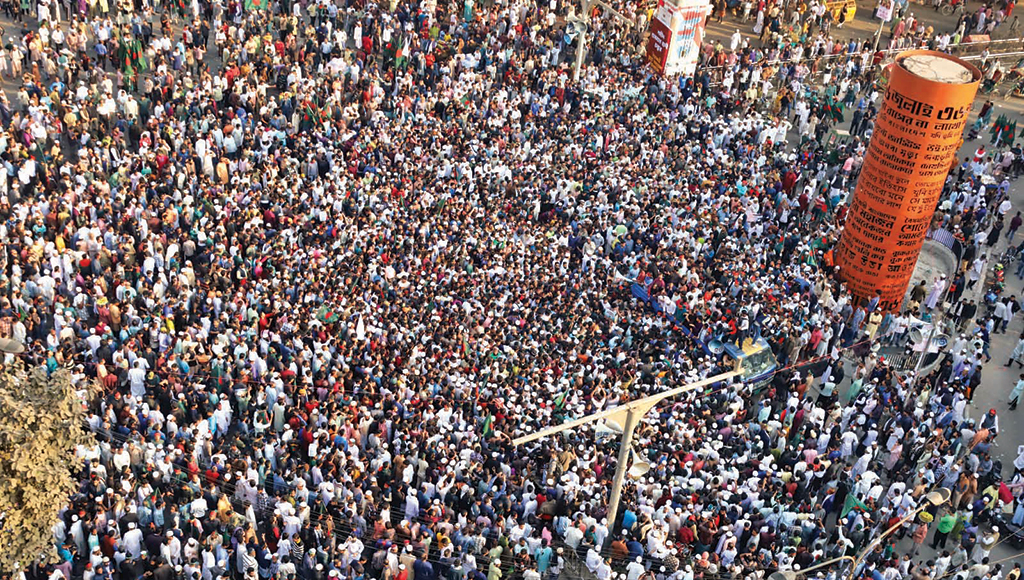
Both economists and political science experts emphasised that it is high time for politicians and stakeholders to act carefully and contribute to the much-needed political transition, without which the political economy will suffer severely.
‘Nobody wants to see a repeat of the autocratic regime and cosmetic development seen during the AL regime,’ said S. M. Ali Reza.
Despite high economic growth, income inequality has widened and unemployment among graduates has increased, he added.
The country is now grappling with a rising graduate unemployment rate of 13.5 per cent, the highest among all education levels, according to the Labour Force Survey 2024.
This rate has more than doubled over the past eight years.
The survey also reported the country’s overall unemployment rate at 3.66 per cent.
Without a smooth political transition and stability, the country’s graduation from the Least Developed Country (LDC) bloc, set for 24 November 2026, will face significant challenges, said Dr. Masrur Reaz.
Linking successful economic recovery to political stability, he emphasised that politics and economics are complementary factors.
Expressing hope that the next election will shape the country’s reform prospects and economic progress, he highlighted the immense opportunity at stake.
‘Everything depends on the election,’ he said.
‘But if it fails, this great opportunity will be lost,’ he added.
What the leaders say...
Continued reforms critical to healing deep economic wounds
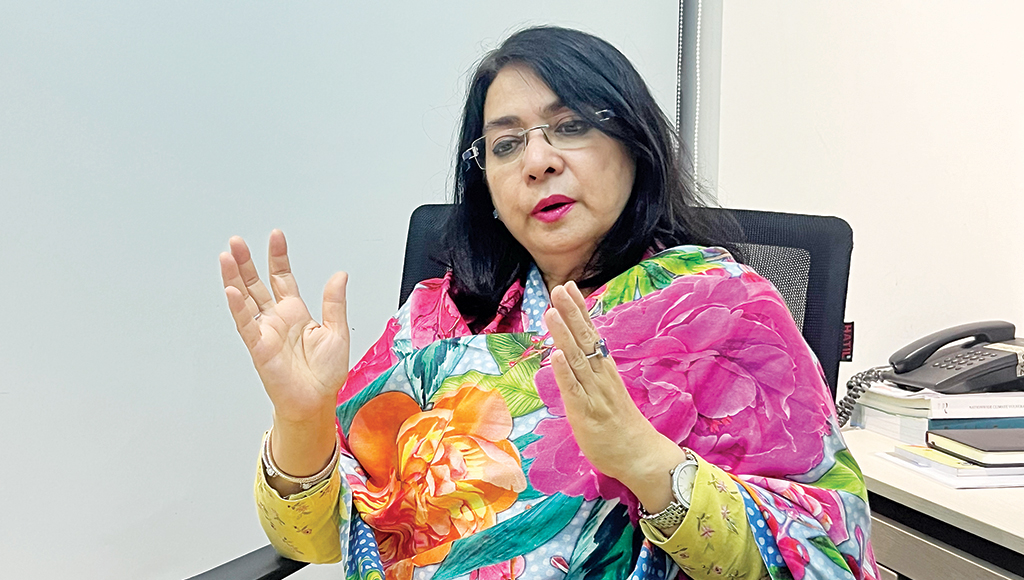
Dr. Fahmida Khatun, executive director of the Centre for Policy Dialogue (CPD), has expressed concerns over the deteriorating law and order situation, warning that it has become increasingly vulnerable to mob violence ahead of the crucial national elections on 12 February.
‘Pre-election violence is not uncommon in Bangladesh, yet the current situation is distinct,’ said Fahmida Khatun, referring to the recent killing of Inquilab Mancha convener Sharif Osman Hadi last month, as well as the torching of The Daily Star and Prothom Alo, two of the country’s leading newspapers, in the same month.
Fahmida Khatun acknowledged the role of the interim government in stabilising the economy, which had been left in a fragile condition by the ousted Awami League in August 2024, through several decisive measures.
‘Still, there are deep wounds in the economy,’ she said, emphasising the need for continued reforms.
She pointed to ongoing reform measures aimed at disciplining the banking sector and strengthening foreign reserves. ‘The external sector has improved, with higher exports, imports, and remittances compared to the financial year 2023-24,’ she added.
As of 18 December 2025, the country’s foreign exchange reserves stood at $27.88 billion, a significant recovery from $19.95 billion on the same date in 2024.
However, the senior economist noted that the economy is still grappling with low growth, high inflation, and subdued investment.
Turning her focus back to the law and order situation, Fahmida Khatun said that while Bangladesh has been widely recognised for its economic resilience and development achievements, the images of mob violence and the uncertainty surrounding governance have raised concerns among international partners and investors.
‘In an interconnected world, political stability is inseparable from economic credibility,’ she said.
Looking ahead, Fahmida Khatun expressed hope that both political responsibility and economic prudence would characterise the remaining part of the current calendar year, creating opportunities and optimism for the people and the economy.
Big opportunity ahead, not to be missed
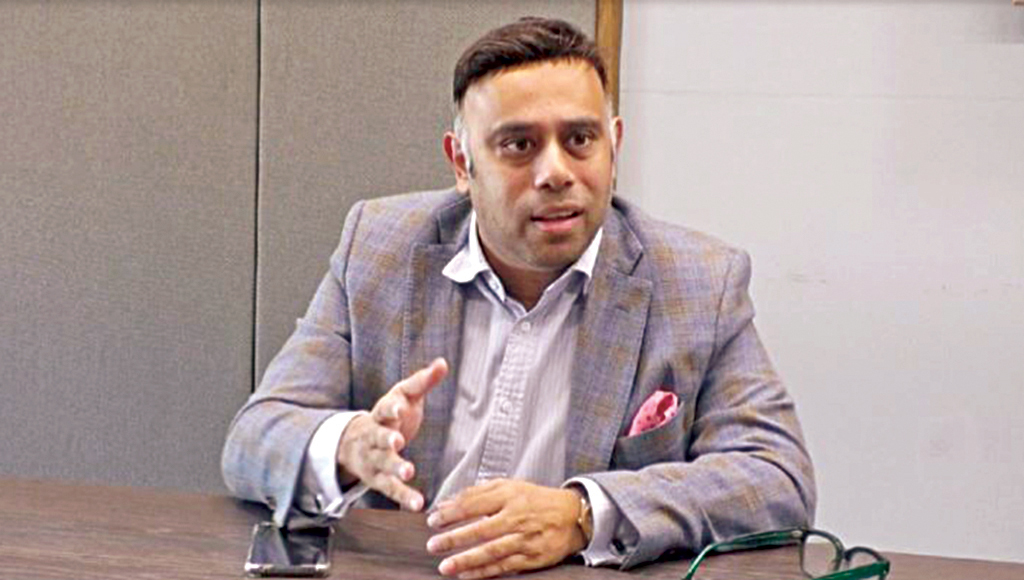
M Masrur Reaz, chairman of the Policy Exchange Bangladesh, identifies four major challenges on the economic front for the upcoming calendar year, placing significant hope on the national parliament elections scheduled for 12 February.
Addressing ongoing macroeconomic issues is one of the key challenges, he said.
Rejuvenating private investment, along with supporting micro and cottage industries to stimulate internal demand, is another pressing issue.
Restoring discipline in the economic sector, particularly within the banking and non-banking financial institutions, is a crucial concern. Without this, the erosion of confidence in banks will continue, he added.
To him, tensions in the financial sector, especially in banking, have eased somewhat over the past year, but vulnerabilities persist.
Banks, non-banks, and the insurance sector still require much stronger governance, said M Masrur Reaz, citing weak supervision, rising non-performing loans, and ongoing confidence gaps.
Data from Bangladesh Bank reveals that non-performing loans across the sector climbed to Tk 6.44 lakh crore in September, which represents 35.73 per cent of total outstanding credit — one of the highest ratios globally.
The top 10 banks held Tk 4.45 lakh crore in defaulted loans by September 2025, accounting for nearly 70 per cent of the country’s total non-performing loans, highlighting how Bangladesh’s banking crisis has become concentrated in a small number of banks.
The final challenge is the implementation of a comprehensive economic reform programme, in anticipation of the country’s graduation from the Least Developed Country (LDC) bloc, scheduled for 24 November 2026.
Linking the success of economic recovery to political stability, he stated that politics and economics are complementary factors.
He expressed hope that the next election would shape the country’s reform prospects.
‘There is a huge opportunity, and everything depends on the election,’ he said. ‘But if it fails, the opportunity will be missed,’ he added.
Law and order will be crucial
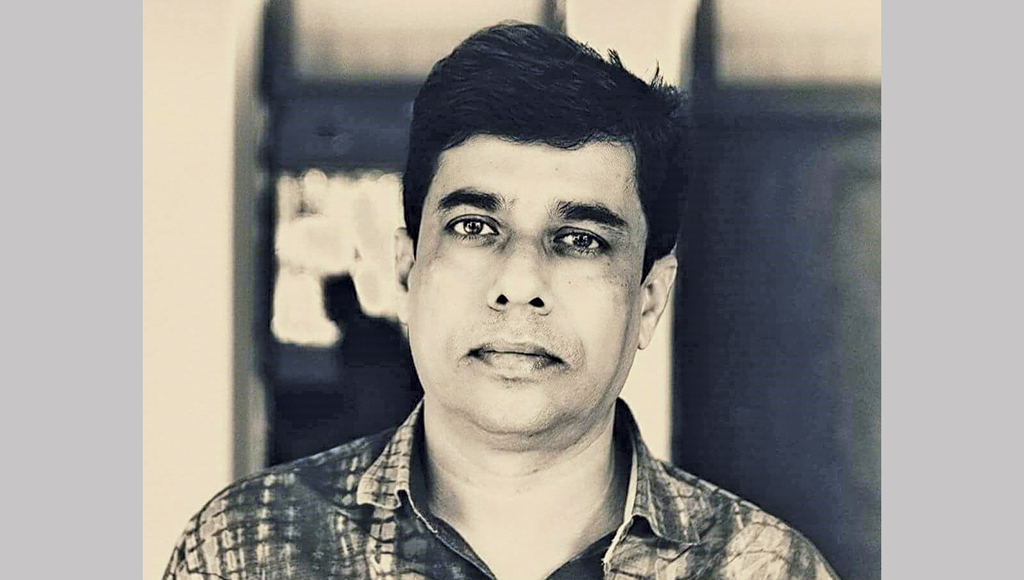
Dr. K. M. Mahiuddin, a professor in the Department of Government and Politics at Jahangirnagar University, says that while people are looking forward to the national parliament election on 12 February, many are still uncertain about the type of government that will follow.
One of the key reasons for the uncertainty is that many people were unable to exercise their voting rights in the last three national elections, held in 2024, 2028, and 2024.
‘Those were not participatory elections,’ he said. ‘Everybody knew how the previous Awami League regime had been extending its autocratic tenure by intimidating political rivals and arranging one-sided, fraudulent elections through the Election Commission.’
People are also looking forward to the next national election as a potential political transition, which they see as the most viable option to end the tenure of the interim government that assumed power on 8 August, three days after Sheikh Hasina fled to India following the mass uprising.
However, Dr. Mahiuddin noted that people remain confused about the shape of the new government, questioning whether it will be a coalition government or one led by a single party.
‘Or, will the next new government be the result of an arrangement orchestrated by local and international powerbrokers, making the next election nothing more than a façade?’ he asked.
Another source of confusion is the fact that none of the leading political parties has yet revealed their election manifesto, leaving voters uncertain about the future characteristics of the government.
‘People want to know how the new government will tackle issues such as high inflation, growing poverty, income inequality, unemployment, and the need for reforms in the banking and revenue sectors,’ he said.
Additionally, the law and order situation will be crucial for the new government to gain both foreign support and the confidence of investors, essential for increasing foreign direct investment and local private investment.
‘Theoretically, it is the politicians who should rise to the occasion and fulfil the expectations of the people,’ Dr. Mahiuddin concluded. ‘But the responsibility of other stakeholders is equally important.’
Smooth political transition crucial for stability
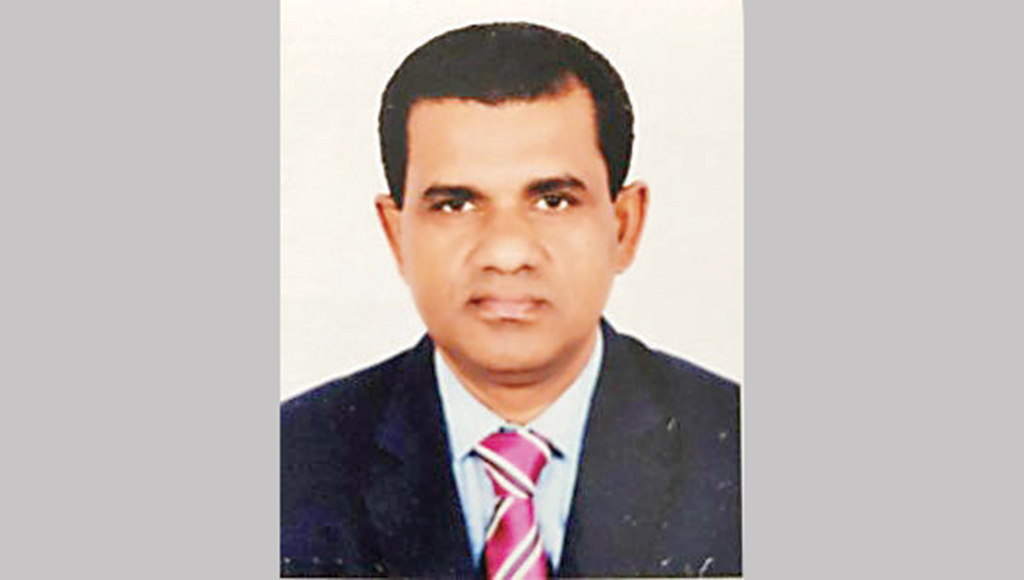
Dr. S. M. Ali Reza, a Professor of Political Science at Dhaka University, has said that foreigners are confused about the future of the government that will be elected in the upcoming national elections on 12 February.
They are closely monitoring developments to understand what type of political government will take power, he noted.
While the general public is enthusiastic, they remain cautiously optimistic about the political transition this time around.
Dr. Reza remarked that enthusiasm among the public and political parties was similarly high during the democratic transition of 1990, following the ousting of military dictator Ershad.
However, he pointed out that there is now a consensus among the leading political parties, particularly in light of the July uprising that abruptly ended the 15-year rule of the Awami League.
The political climate has become more polarised, especially with the imposition of further bans on the Awami League (AL) and its front organisations.
‘It would not be surprising if the leading political parties and their allies opt for a national government,’ Dr. Reza said, referring to the recent call by Bangladesh Jamaat-e-Islami chief Shafiqur Rahman, urging the Bangladesh Nationalist Party (BNP) to collaborate for the next five years to restore a stable environment in the interest of national stability.
Dr. Reza emphasised that it is now crucial for politicians and political stakeholders to act with caution in order to complete the much-needed political transition, without which the country’s political economy will suffer badly.
‘Nobody wants to see a repeat of the cosmetic development that took place during the AL regime,’ he stated, adding that despite high economic growth, income inequality had widened and unemployment among graduates had increased.
He went on to say that the current economic woes, largely inherited from the previous autocratic AL government, will continue to burden the general public, leading to high inflation, growing poverty, rampant inequality, high unemployment, and a declining law and order situation.
‘Without a smooth political transition and stability, the country’s graduation from the least developed country bloc, starting from 24 November 2026, will face significant challenges,’ Dr. Reza warned.


