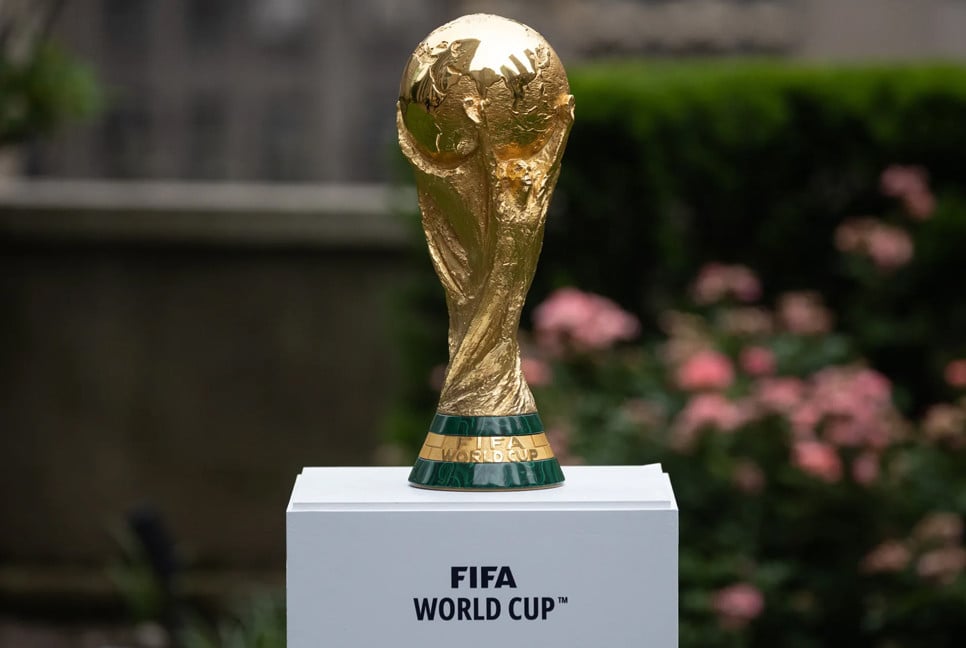
As excitement reaches fever pitch ahead of the FIFA World Cup 2026, a new supercomputer analysis has sparked fresh debate by naming the potential champion.
The advanced model, developed by researchers at the University of Liverpool Management School in the United Kingdom, predicts that England and Spain will face each other in the World Cup final, with Spain emerging as the ultimate favourites to lift the trophy.
Researchers claim that the advanced machine-learning system forecasts outcomes by analyzing multiple variables, including individual player performance, team chemistry, injury status, fitness levels and opposition strength. The system ran 1,000 simulations to determine the potential path, knockout-stage progress and title-winning probability for each team.
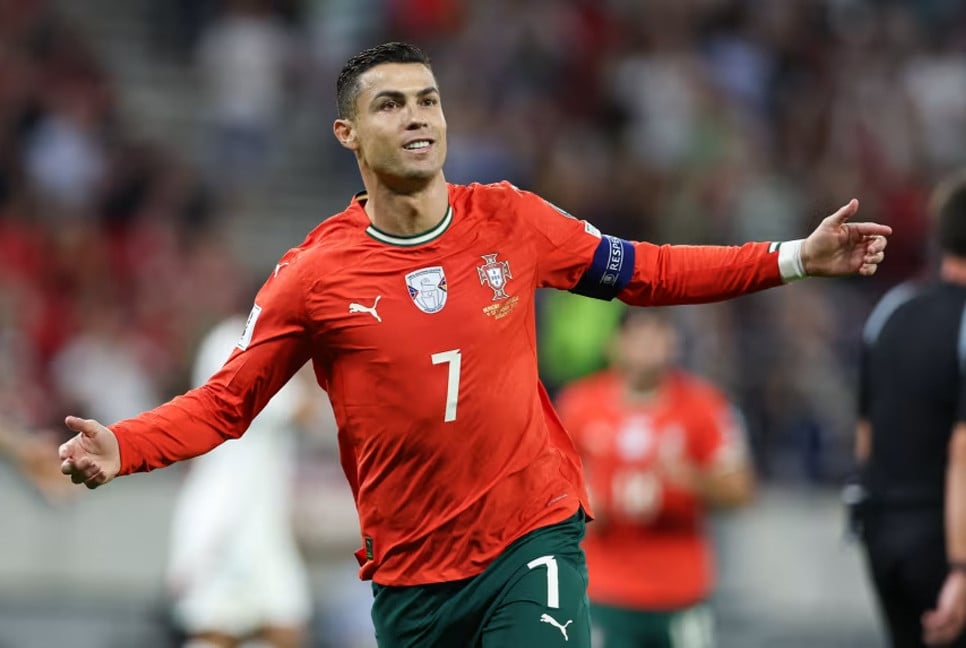
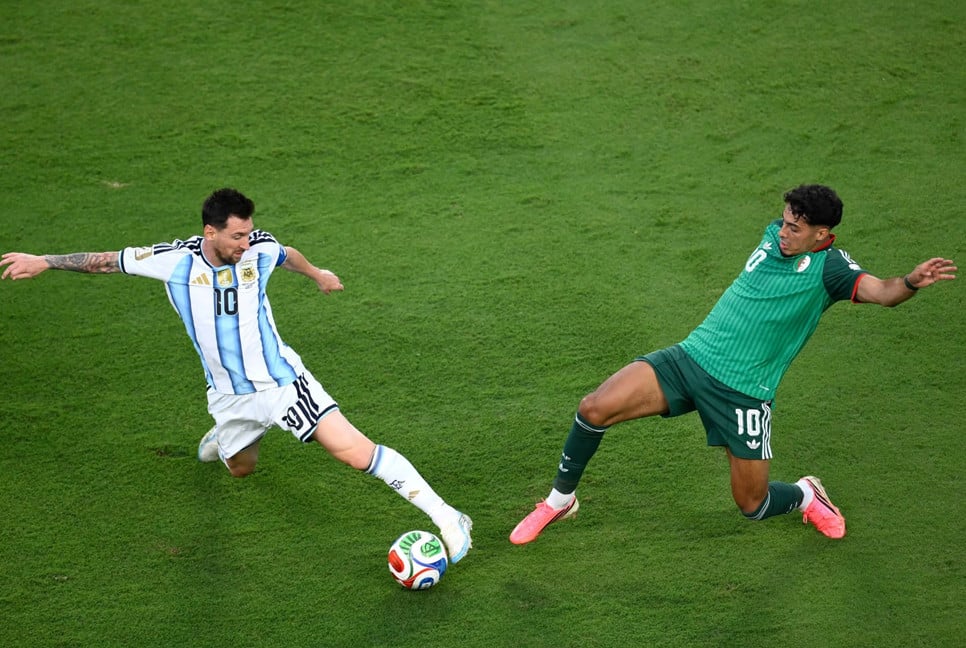
According to the analysis, Spain lead the tournament chart with a 26.1% chance of winning the World Cup. England follow in second place with a 17% probability. Former champions France hold a 13.5% chance, while reigning world champions Argentina stand at 12.4%, and Portugal possess a 10.6% probability.
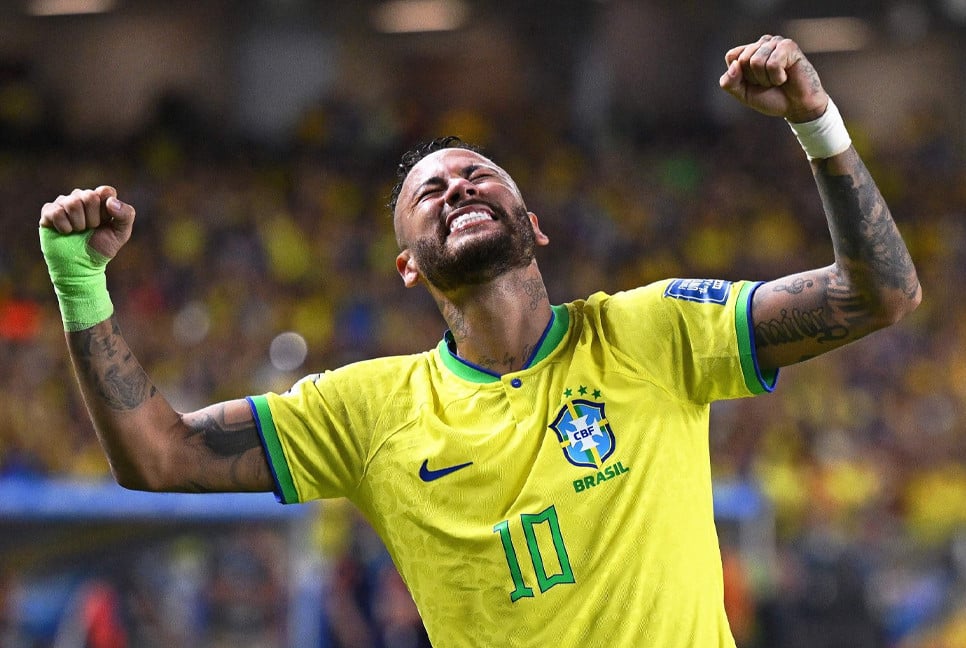
The forecast indicates that England will progress to the knockout stages as group winners, facing either DR Congo or Mexico in the round of 16. The model then pits England against Brazil in the quarter-finals and Portugal in the semi-finals.
The simulation also predicts that Scotland will finish third in their group, giving them an 11.8% chance of reaching the round of 16.
In the race for the Golden Boot, Norway's Erling Haaland and Spain's Mikel Oyarzabal share identical odds. The simulation projects both strikers to score an average of 5.2 goals during the tournament.
Dr Benjamin Holmes, co-lead of the study, noted that tech experts upgraded the model following Euro 2024. The system now incorporates injuries, suspensions, tactical setups, weather conditions and geographical factors, which could play a crucial role across the three host nations—the United States, Mexico and Canada.
Holmes stated that Spain maintain their status as top favourites, aligning closely with bookmakers' odds. However, he highlighted Norway as the "dark horse" of the tournament, with a 3.6% chance of winning the title.
A separate study by the University of Innsbruck also places Spain as marginal favourites. While England, France and Germany remain close contenders in that analysis, Spain still hold the edge.
Experts remind fans that ultimate favourites usually have limited statistical guarantees in such tournaments, leaving ample room for an underdog to achieve a major breakthrough.
Ultimately, the supercomputer's forecast has generated immense pre-tournament buzz, leaving fans to wonder whether data analytics will mirror reality on the pitch or if football will prove that the beautiful game remains unpredictable.
Bd-pratidin English/TR