In a small housing community on the outskirts of Hudiksvall, Sweden, residents are using their electric vehicles for more than transportation — they are also powering their homes, reports AFP.
The innovative system allows two-way energy exchange between electric vehicles and residential buildings, enabling families to reduce electricity costs while helping stabilise the power grid.
"When our energy demand is high, we use the cars to power our homes," resident Filip Kiltorp, 33, told AFP while standing beside his electric vehicle.
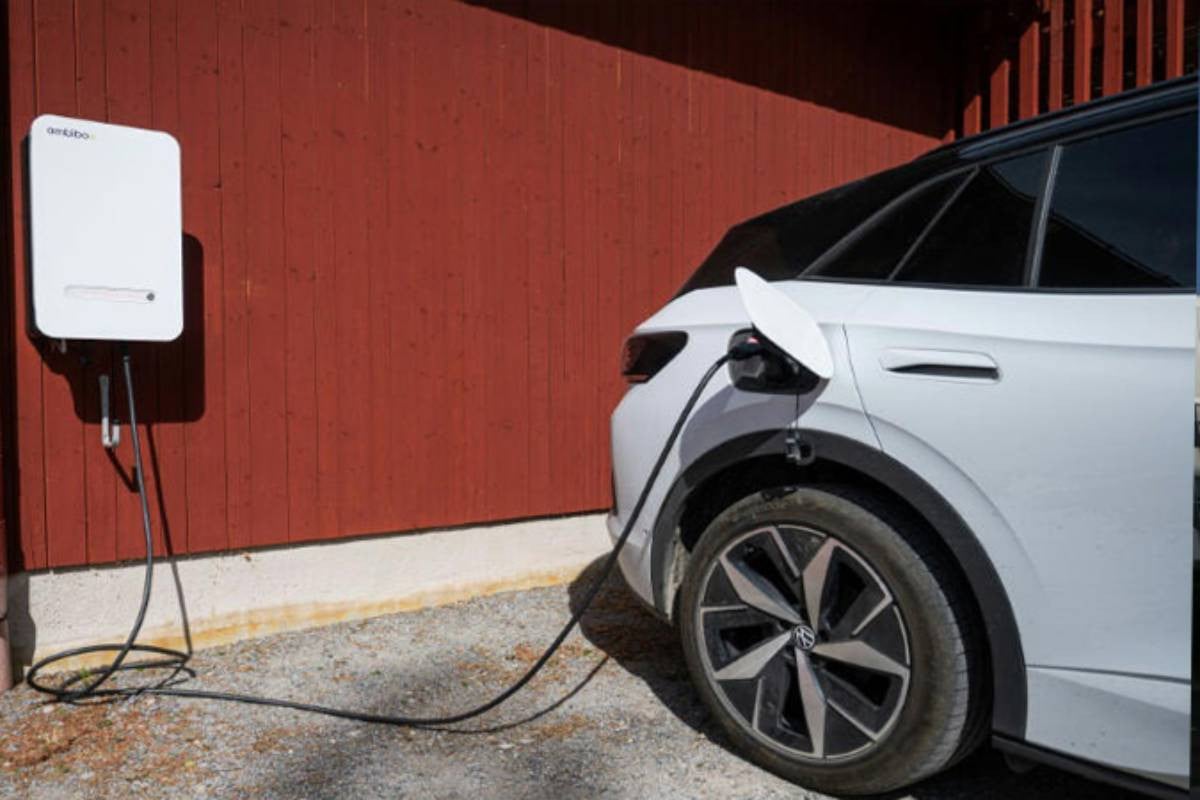
The eight-family housing association has equipped its garages with bidirectional charging stations that allow electricity to flow both into and out of vehicle batteries. When demand is low, the batteries charge during off-peak hours. During peak periods, when electricity prices are higher, stored energy is fed back into the homes and local grid.
The system can also provide backup power during outages.
According to project leader Klas Boman, the technology helps balance electricity demand while significantly reducing residents' utility bills.
"Living here is undeniably cheaper," said Kiltorp, noting that while residents consume similar amounts of electricity as other households, their monthly costs are substantially lower.
The community combines the vehicle-to-grid (V2G) system with other renewable energy solutions. Solar panels installed on rooftops generate electricity, while stationary battery units store excess solar power. A shared heat pump further improves energy efficiency and lowers heating expenses.
The pilot project is a collaboration between housing association BRF Stenberg, automaker Volkswagen and Swedish utility company Vattenfall. It aims to demonstrate that V2G technology can successfully operate at the residential-community level.
"We're trying to be a source of inspiration for others," said Boman, a former automotive industry professional.
The concept is also gaining traction elsewhere in Sweden. Universities, businesses and research institutions are testing similar systems to explore how electric vehicle batteries can support energy infrastructure.
At the University of Gävle, researchers demonstrated the technology by staging a power outage during an event attended by Sweden's higher education minister. A plugged-in electric vehicle supplied enough electricity to keep the facility operating for several hours.
"I call this a battery on wheels," said Nicholas Etherden, a lecturer and researcher in energy systems at the university.
Cars spend most of their time parked, Etherden noted, making them a largely untapped energy resource.
"Vehicles are driven about five percent of the time. The other 95 percent they are parked somewhere," he said. "If connected to the grid, they can collectively provide enormous amounts of electricity when demand peaks."
Researchers estimate that the average electric vehicle battery can power a household for between five and seven days, highlighting the technology's significant potential.
Despite the promise, several challenges remain. Wider adoption depends on higher electric vehicle ownership rates, streamlined regulations and broader industry support. Experts also say more research is needed on the long-term impact of bidirectional charging on battery life.
Lina Bertling Tjernberg, a professor of power grid technologies at the Royal Institute of Technology in Stockholm, said equipping all electric vehicles with bidirectional charging capability would be a major step forward.
While concerns over battery degradation persist, researchers say existing evidence suggests modern EV batteries are proving more durable than initially expected.
Etherden dismissed fears of excessive battery wear, arguing that supplying electricity to a home places relatively little strain on the battery.
"It's like driving behind a donkey," he said with a smile. "It's a very careful use of the battery."
Bd-pratidin English/ Jisan