








































































Budget 2026-27 Prioritises ICT, AI, Startups and Freelancing




The proposed national budget for fiscal year 2026-27 has identified information technology, digital education, innovation, entrepreneurship development, and freelancing as key drivers of economic growth, outlining an ambitious roadmap to transform Bangladesh into one of the world's leading ICT-exporting nations.
The government has placed the development of information and communication technology among its ten major national priorities, aiming to build an inclusive, innovation-driven, and export-oriented digital economy.
AI and Technology in Education
The budget places strong emphasis on developing technology-oriented human resources through a series of initiatives designed to modernize the education system.
Key measures include:
- Implementation of the “One Teacher, One Tab” programme.
- Expansion of multimedia classrooms in educational institutions.
- Increased access to free Wi-Fi facilities for students.
- Introduction of AI-based educational systems.
- Gradual introduction of technical education from Class Six.
- Greater focus on technology, innovation, and skills-based learning.
The government also plans to strengthen collaboration between universities and industries through apprenticeship programmes, internships, and startup initiatives.
Focus on Research and Innovation
Research and innovation have been highlighted as critical components of national development.
The budget proposes increased support for research activities and initiatives to engage skilled Bangladeshi researchers, scientists, and technology professionals living abroad in the country's education and research sectors.
It also emphasizes improving the quality of science, mathematics, English, and ICT education in madrasa institutions, alongside expanding vocational and employment-oriented training programmes.
Startup and Entrepreneurship Development
Creating a new generation of entrepreneurs is another major objective of the proposed budget.
The government plans to expand employment opportunities in industries, small and medium enterprises (SMEs), information technology, and modern agriculture-based sectors. Financial support mechanisms for young entrepreneurs and expanded opportunities for women entrepreneurs have also been included.
Entrepreneurship development will be integrated into the education system through stronger industry-academia partnerships, startup programmes, and skills-focused training initiatives.
Major Relief for Freelancers and Content Creators
One of the most significant announcements for the digital economy is the proposed tax relief for freelancers and content creators.
The budget proposes a full exemption from the existing 15 percent VAT on services provided by freelancers and content creators. Industry stakeholders believe this measure will reduce operating costs, encourage greater participation in freelancing, and boost foreign currency earnings.
Continued Tax Benefits for the ICT Industry
To support domestic technology manufacturing, the government has proposed extending several tax incentives.
These include:
- Extension of VAT exemption facilities for mobile phone manufacturing and assembly industries until 2030.
- Continuation of VAT exemptions on the local production of computers, laptops, printers, toners, and other technology products until 2030.
Industry representatives expect these measures to accelerate growth in local hardware manufacturing and ICT production sectors.
Telecom Sector Gets Relief
Recognizing ICT as a priority sector, the government has also proposed reducing certain tax burdens on the telecommunications industry.
The budget includes a proposal to withdraw the fixed tax imposed on SIM cards, a move that could help increase the adoption of mobile and digital services across the country.
Digital Infrastructure and Smart Services
The proposed budget further highlights the expansion of digital infrastructure through initiatives such as:
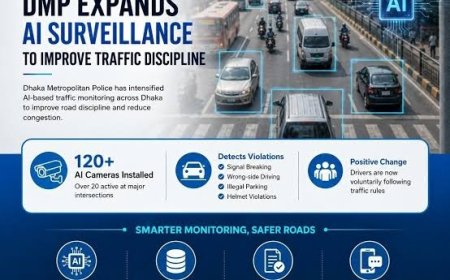
- Electronic toll collection systems.
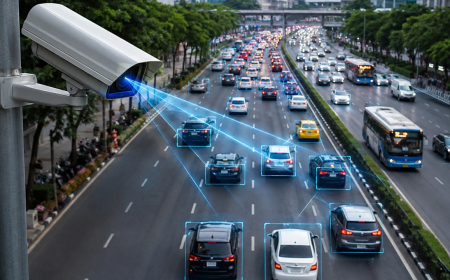
- Smart traffic management solutions.
- Integrated digital platforms.
- Wider digital transformation of government services.
Technology-driven service delivery across multiple sectors will also be expanded under the government's digital transformation agenda.
Overall Assessment
The proposed FY2026-27 budget treats the technology sector not merely as a service industry but as a strategic pillar for economic growth, employment generation, export earnings, and innovation.
With initiatives ranging from AI-powered education and skills development to startup ecosystem support, freelancer tax incentives, and continued encouragement for local technology manufacturing, the budget lays a foundation for accelerating Bangladesh’s transition toward a more advanced digital economy.
//DBTech/IH/MUM/OR//