
















































































Many Victims of Tech-Enabled Abuse Do Not Seek Support
A Kaspersky study found that 22 percent of victims of technology-enabled abuse do not seek support, highlighting the need for greater awareness of the long-term consequences of digital harassment and surveillance.




Many victims of technology-enabled harassment, surveillance and abuse do not seek any form of support or assistance, according to a study conducted by global cybersecurity company Kaspersky. The research found that while people are generally aware of the psychological and social consequences of digital abuse, awareness of its long-term economic and physical impacts remains relatively low.
The study, conducted among 7,600 participants across 19 countries, found that 79 percent were aware of the psychological effects of technology-enabled abuse, while 73 percent recognized its social impact. However, only 55 percent were aware of its potential economic consequences and 51 percent understood the associated physical safety risks.
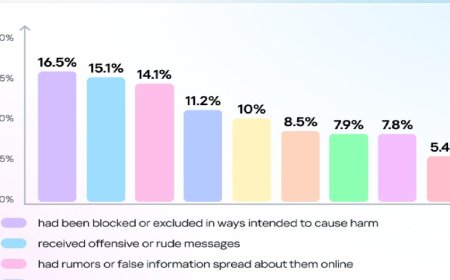
Analysis of victims’ experiences showed that 42 percent became more cautious online after experiencing such incidents. Seventeen percent reduced their use of social media and other online activities, while 11 percent limited communication with others and 10 percent ended personal relationships.
The study also found that 4 percent of victims lost their jobs and 3 percent were forced to discontinue their education as a result of technology-enabled abuse.
A significant finding of the research was that 22 percent of victims took no action at all. Among older respondents, this figure rose to nearly 37 percent. Many bystanders also failed to intervene. Thirty-two percent said they did not know how to help, while 23 percent were unsure whether they should get involved.
Tatiana Shishkova, Lead Security Researcher at Kaspersky’s Global Research and Analysis Team (GReAT), said people often recognize the emotional harm caused by digital abuse but underestimate its impact on careers, education and personal relationships. She noted that many victims are unaware of where to seek help or how to access support services.
Dr. Leonie Maria Tanczer, Associate Professor in the Department of Computer Science at University College London (UCL) and Head of the Gender and Tech Research Lab, said there remains a significant gap between identifying technology-enabled abuse and taking effective action against it. She added that online harassment is often not treated with the seriousness it deserves, despite its potential to cause substantial real-world harm.
To help users protect themselves, Kaspersky recommends recognizing warning signs early, preserving evidence of incidents, using strong passwords, enabling two-factor authentication (2FA) and avoiding unnecessary sharing of device or account access.
The company also advises using trusted security software, seeking support from reliable individuals or professionals and maintaining awareness of digital risks. Kaspersky is also a co-founder of the international coalition “Coalition Against Stalkerware,” which works to support victims and combat technology-enabled abuse.
//DBTech/CS/EK//